UK Property Investment for Expats: A Deep Dive into Brick-and-Mortar Gold

So, you’re living the dream abroad, sipping your morning brew in Dubai, Singapore, or maybe a sunny terrace in Spain, but your mind keeps drifting back to the UK. No, it’s not just the craving for a decent pint or a Greggs sausage roll. It’s the property market. Even with the rollercoaster of the global economy, UK real estate remains one of the most attractive ‘safe havens’ for investors worldwide. But as an expat, where do you even start? Is it still a good idea in 2024 and beyond? Let’s break it down, informal style, so you can decide if it’s time to put your hard-earned cash into some British bricks.
Why the UK? (The ‘Brit-Appeal’)
First off, let’s address the elephant in the room: why the UK? Despite the headlines about interest rates and political shifts, the UK has a fundamental problem that is a landlord’s dream: a chronic undersupply of housing. We simply don’t build enough homes. This supply-demand imbalance keeps rental yields healthy and property prices resilient over the long term.
For expats, the UK offers a transparent legal system, a stable currency (even if the Pound has its wobbles), and a market that is remarkably easy to enter compared to many other European nations. Plus, if you’re earning in a stronger currency like the USD or AED, you might find your purchasing power in the UK is better than you thought.
Can You Actually Buy Property as an Expat?
The short answer is: Yes. There are no legal restrictions on non-residents or foreign nationals owning property in the UK. You can buy a studio in Manchester or a mansion in the Cotswolds without needing a British passport. However, the way you buy it—specifically how you finance it—is where things get a bit spicy.
The Mortgage Maze: High Hurdles, Big Rewards
Getting a mortgage as an expat isn’t as simple as walking into your local branch. Lenders view you as a ‘higher risk’ because you’re not physically there for them to chase if things go south.
1. The Deposit: Expect to cough up more upfront. While a UK resident might get away with a 5% or 10% deposit, as an expat, you’re usually looking at a minimum of 25%. Some lenders might even ask for 35% depending on your country of residence.
2. Interest Rates: You’ll likely pay a premium. Expat mortgage rates are typically higher than standard domestic rates.
3. The Paperwork: Be prepared for a mountain of it. Lenders will want to see certified copies of your passport, utility bills from your current home, and several months of bank statements. If you’re self-employed abroad, the scrutiny is even more intense.

Where Should You Buy? Hint: Look North!
For years, London was the only game in town. But let’s be real: London is expensive. The entry price is high, and the rental yields (the annual rent as a percentage of the property price) are often quite low—usually around 3-4%.
If you want your money to work harder, savvy expats are looking at the ‘Northern Powerhouse’ cities:
- Manchester: Often cited as the top investment spot. It has a massive student population, a booming tech scene, and yields that frequently hit 6% or 7%.
- Liverpool: Low entry prices and high demand. It’s a favorite for those looking for high yields on a budget.
- Birmingham: With the massive infrastructure projects like HS2 (even with the tweaks), Birmingham is seeing huge regeneration and is a magnet for young professionals.
- Buying Blind: Never buy a property based only on a glossy brochure. If you can’t visit, hire a local surveyor or a ‘buying agent’ to be your eyes and ears.
- Ignoring Voids: Always budget for ‘void periods’ (months where the property is empty). If your mortgage depends on every single penny of rent coming in on time, you’re playing a dangerous game.
- Currency Fluctuations: Remember that you’re earning rent in GBP. If the Pound tanks against your local currency, your ‘profit’ in your home country might shrink.
The Tax Man Cometh: SDLT and CGT
Nobody likes talking about taxes, but ignoring them is a recipe for disaster. As an expat, you need to be aware of three big ones:
1. Stamp Duty Land Tax (SDLT): Since April 2021, there has been a 2% surcharge for non-UK residents buying residential property in England and Northern Ireland. This is on top of the standard rates and the 3% surcharge if it’s an additional property (which it usually is for investors).
2. Income Tax: You have to pay tax on your rental income. However, many expats can still claim the ‘Personal Allowance’ (the amount of income you can earn tax-free), depending on their nationality or country of residence.
3. Capital Gains Tax (CGT): When you eventually sell your UK property, you’ll likely owe CGT on any profit you’ve made. Since 2015, this applies to non-residents as well.
Managing Your Property from Afar
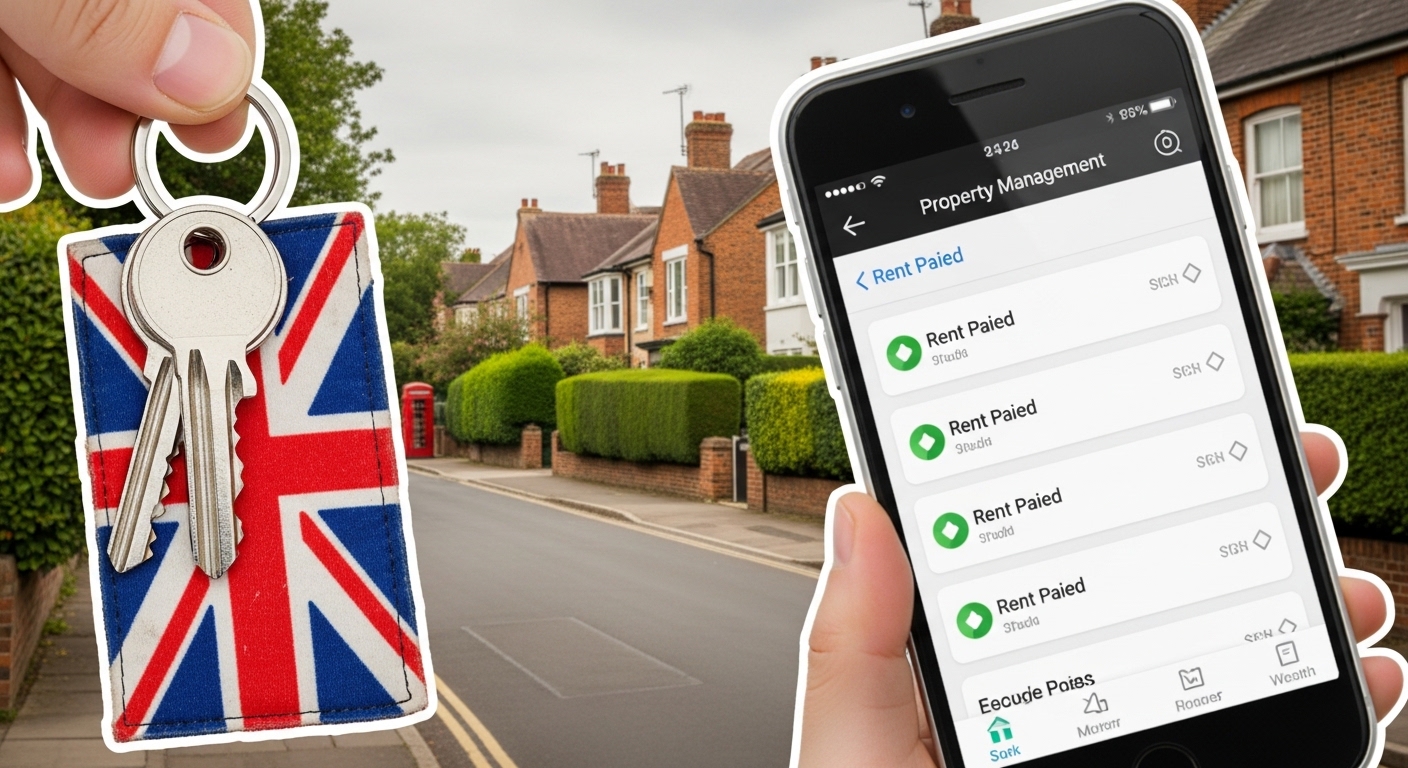
Unless you have a very helpful (and very patient) sibling living down the road from your investment, you’re going to need a letting agent.
A good agent will handle everything: finding tenants, doing ‘Right to Rent’ checks, fixing that leaky tap at 3 AM, and ensuring the property meets all safety regulations (like gas safety and EICR certificates). They usually charge between 10% and 15% of the monthly rent. It’s a cost, sure, but for an expat, it’s the price of sleep.
The ‘Limited Company’ Route
A lot of expats now choose to buy property through a UK Limited Company (Special Purpose Vehicle or SPV). Why? Because of ‘Section 24’. This rule prevents individual landlords from deducting full mortgage interest from their rental income before paying tax. However, companies can still deduct interest. It adds some complexity and accounting costs, but for those with multiple properties, it’s often much more tax-efficient.
Common Pitfalls to Avoid
Wrapping Up
Investing in UK property as an expat is a marathon, not a sprint. It’s about building long-term wealth and having a tangible asset in a stable market. Yes, the taxes are a bit of a headache and the mortgage process feels like an interrogation, but the potential for capital growth and steady rental income remains incredibly strong.
Before you jump in, do your homework. Speak to an expat mortgage broker and a tax advisor who understands the nuances of your specific situation. With the right team behind you, that Victorian terrace in Manchester could be the best financial move you ever make. Happy house hunting!